
Distributions, packages, and open source in practice
6 min readA distribution assembles the kernel, a C library (glibc on most desktops, musl on some small systems), the shell, core utilities and a package manager into one installable, updatable system. The two dominant families are the Debian family and the Red Hat family, which differ mainly in package format and tooling.
Before distributions, you collected the kernel, the C library, the GNU tools and the utilities yourself, compiled them, and hoped the versions worked together. A distribution is that work done once, for everybody.
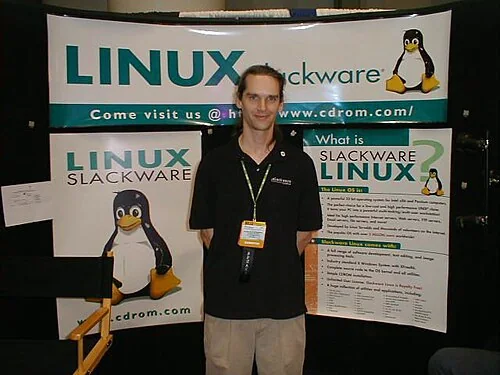
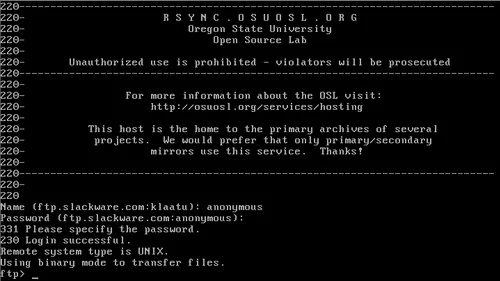
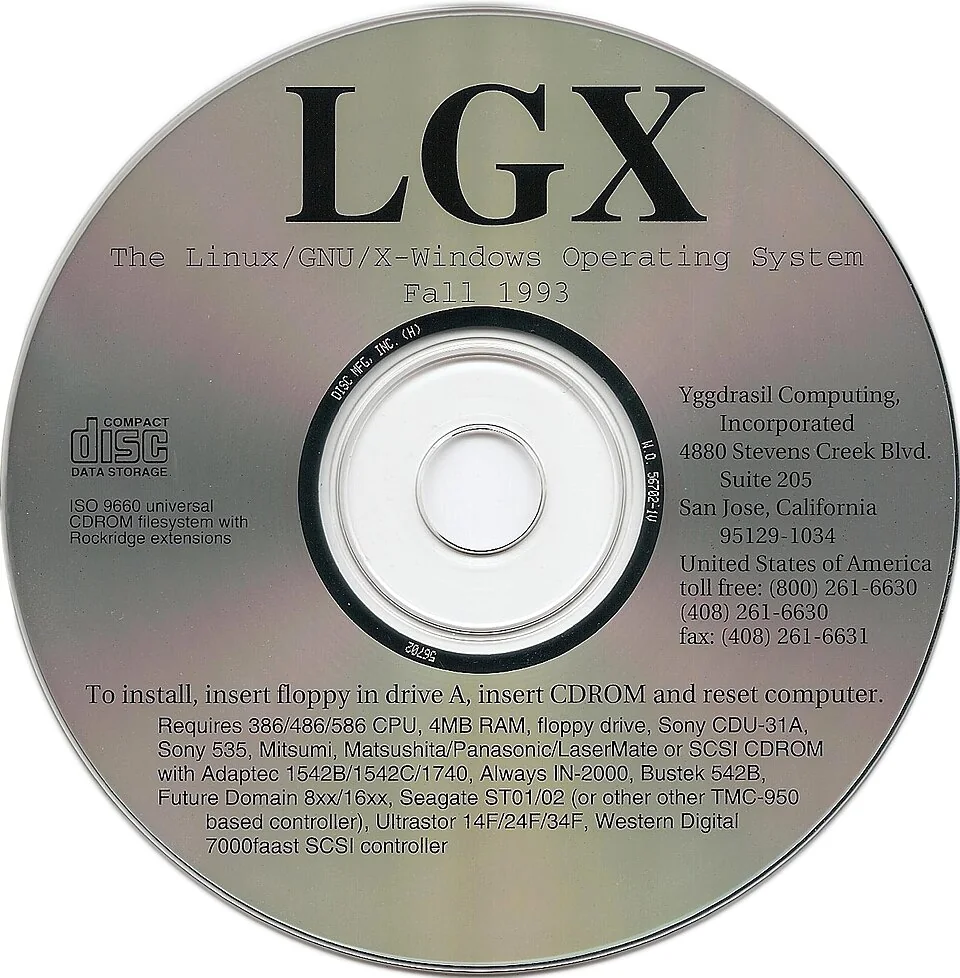
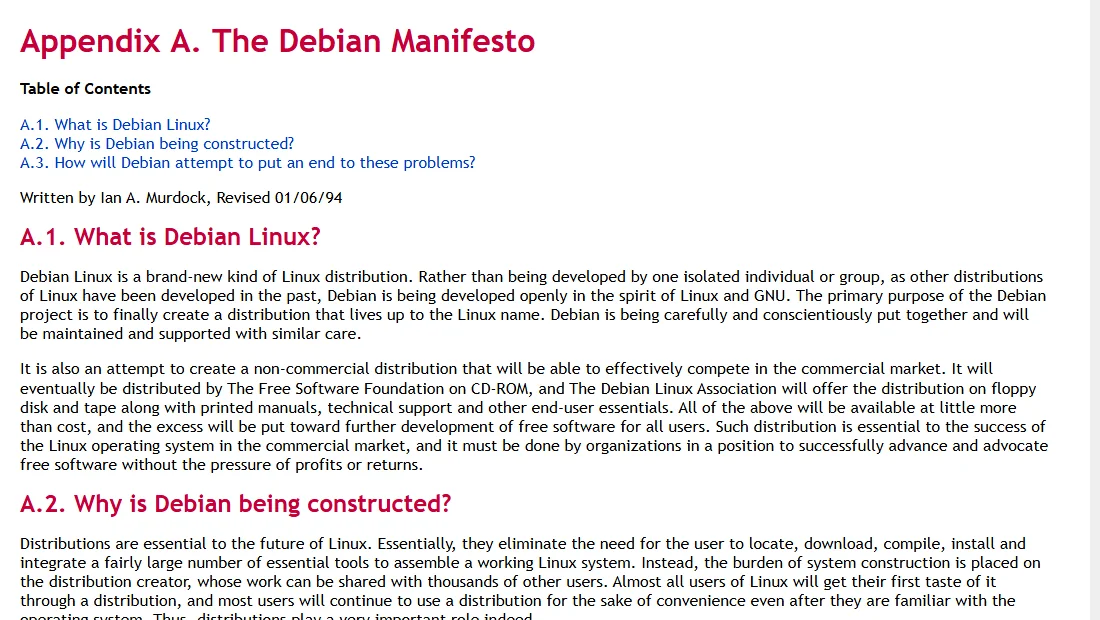
The first distributions
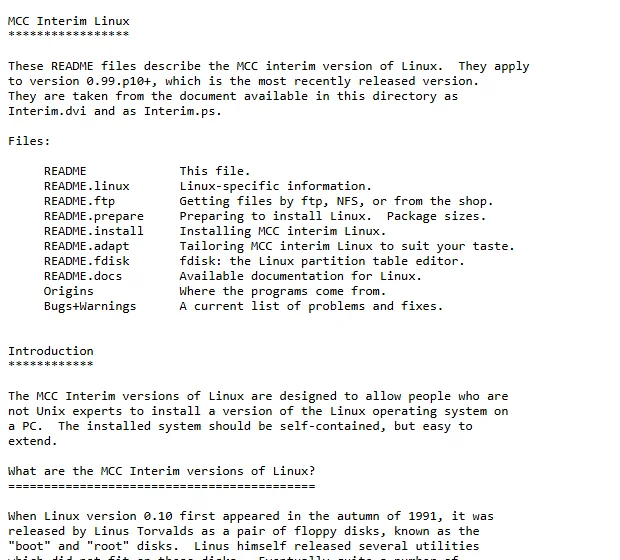
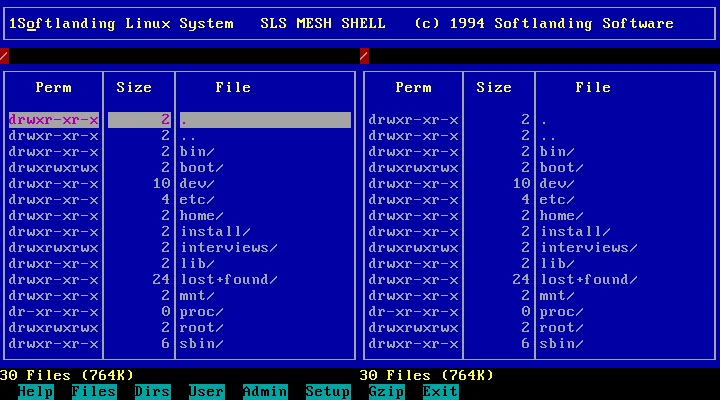
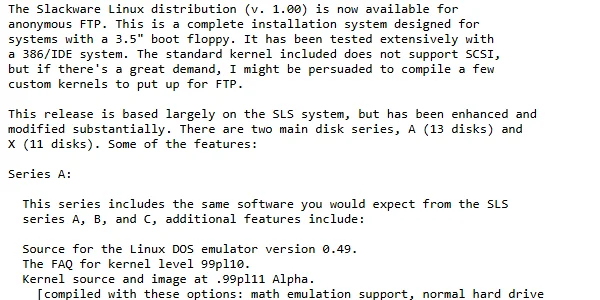
More than 200 distributions
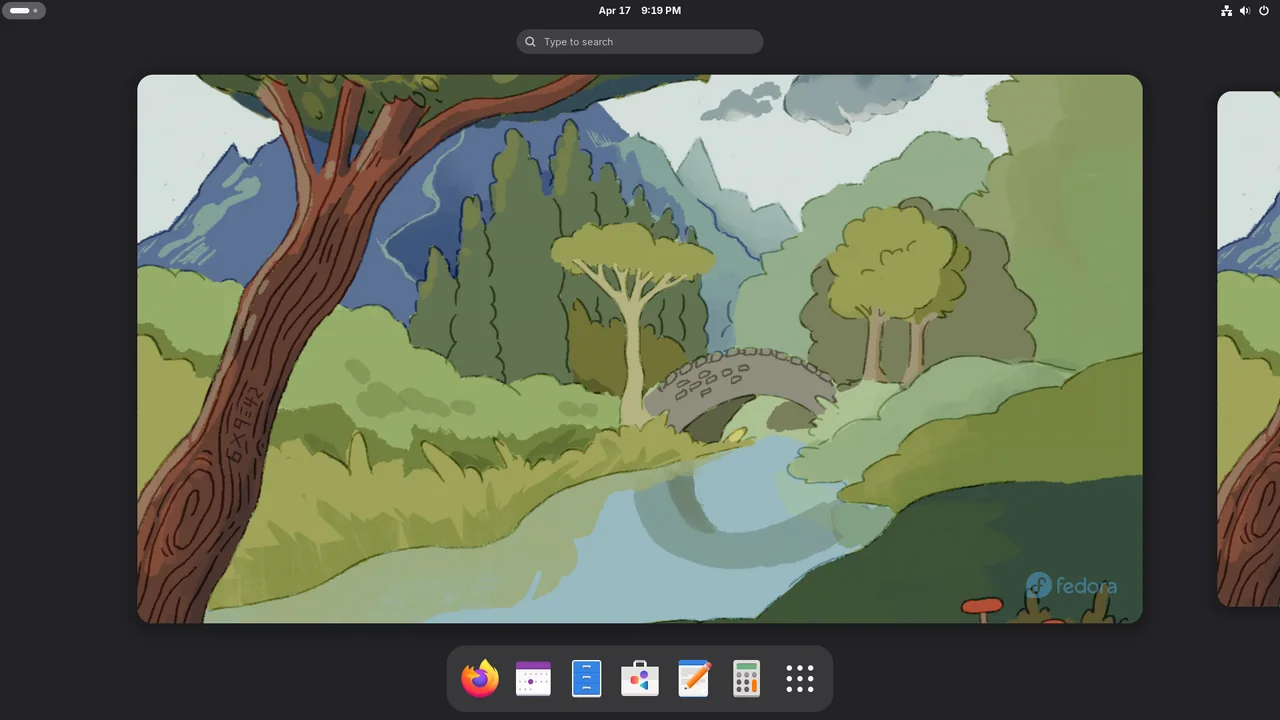
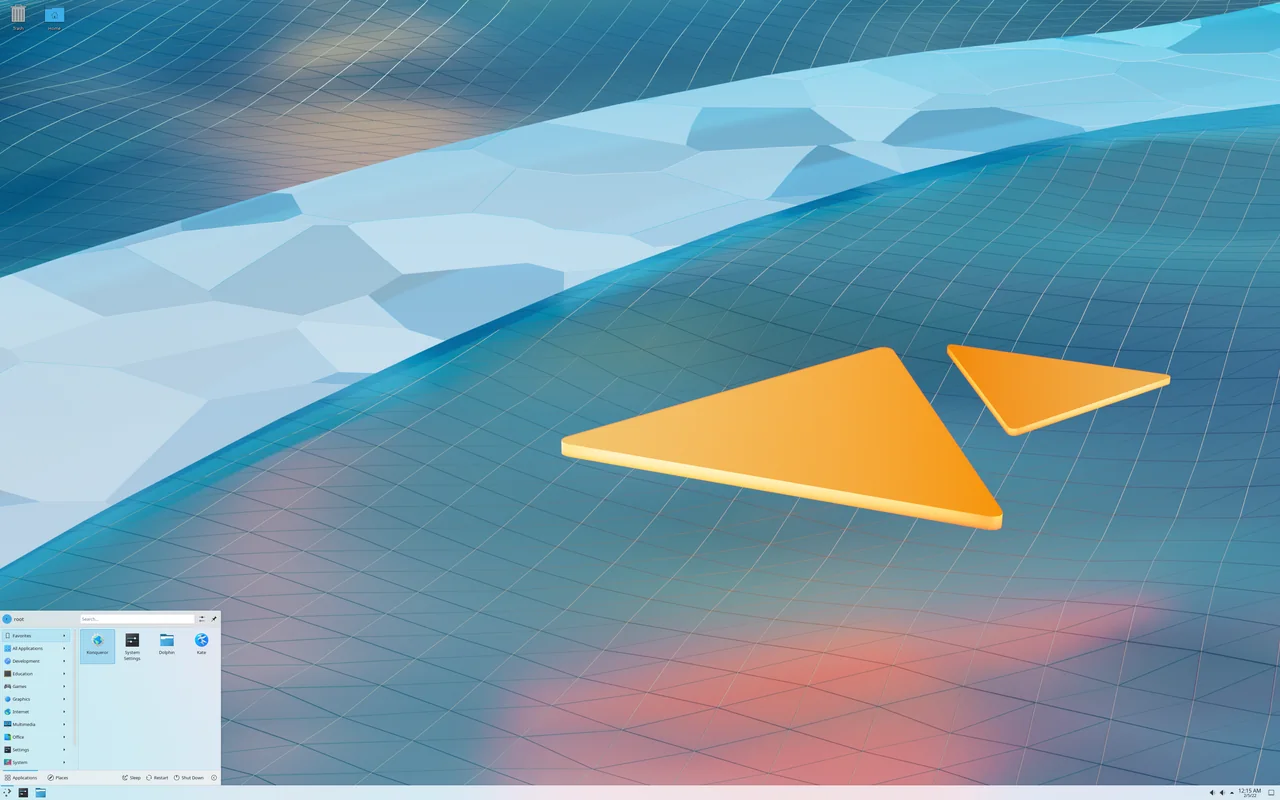
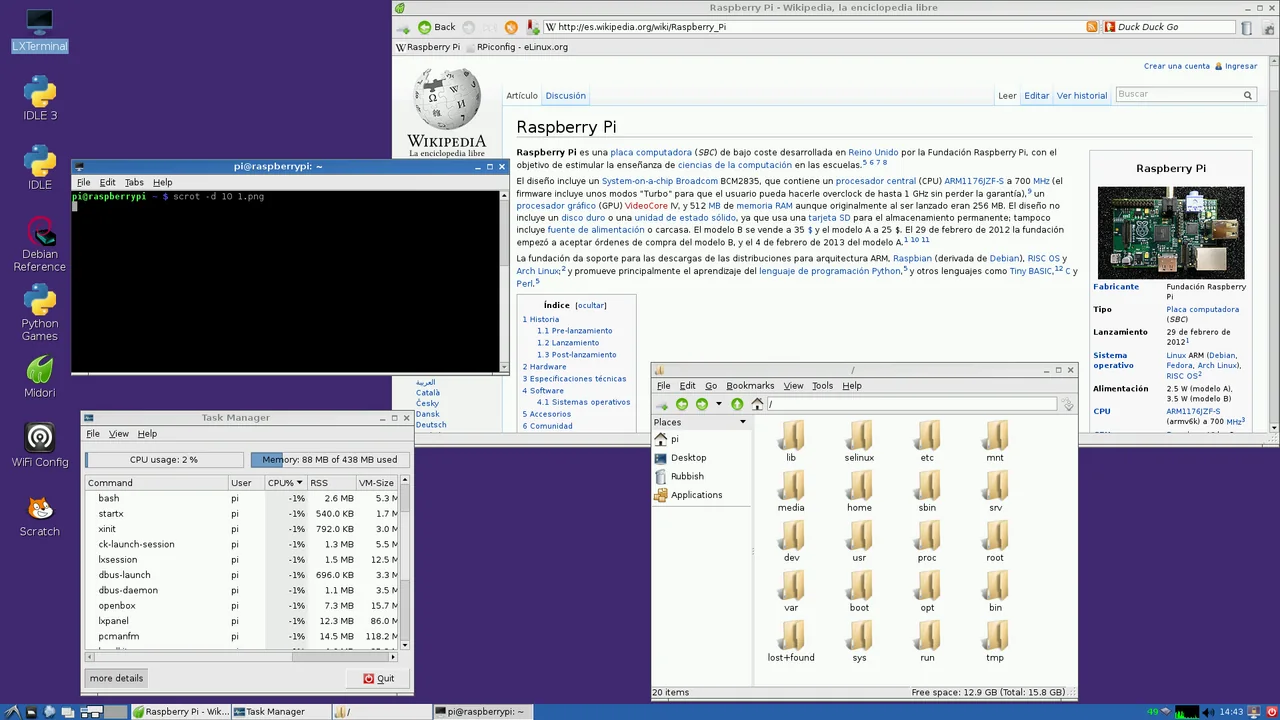
Because the code is open, anyone can take a distribution, change it and share the result. A derivative is built from another distribution: Ubuntu comes from Debian, and Kubuntu and Lubuntu come from Ubuntu. A derivative can be official or unofficial.
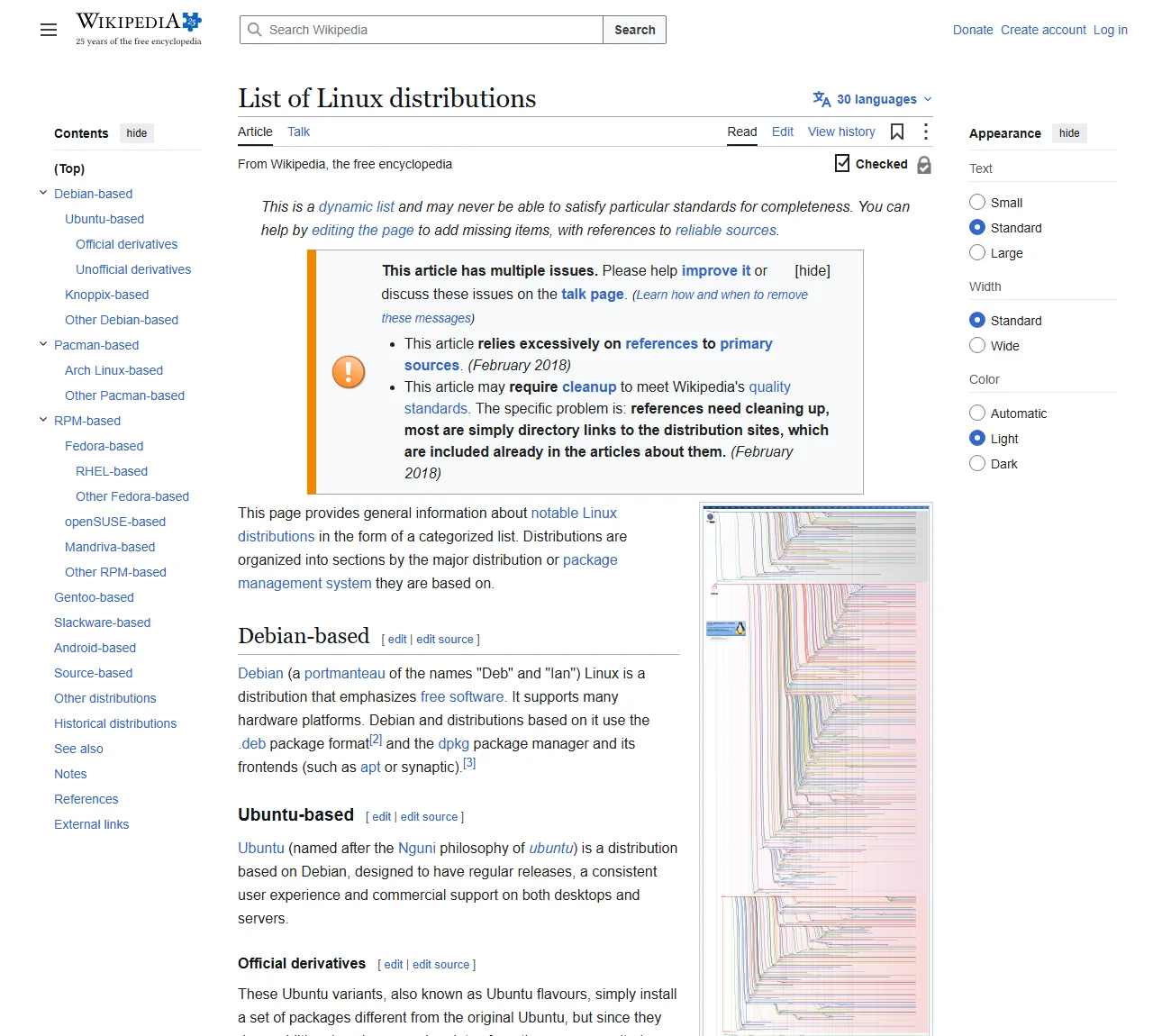
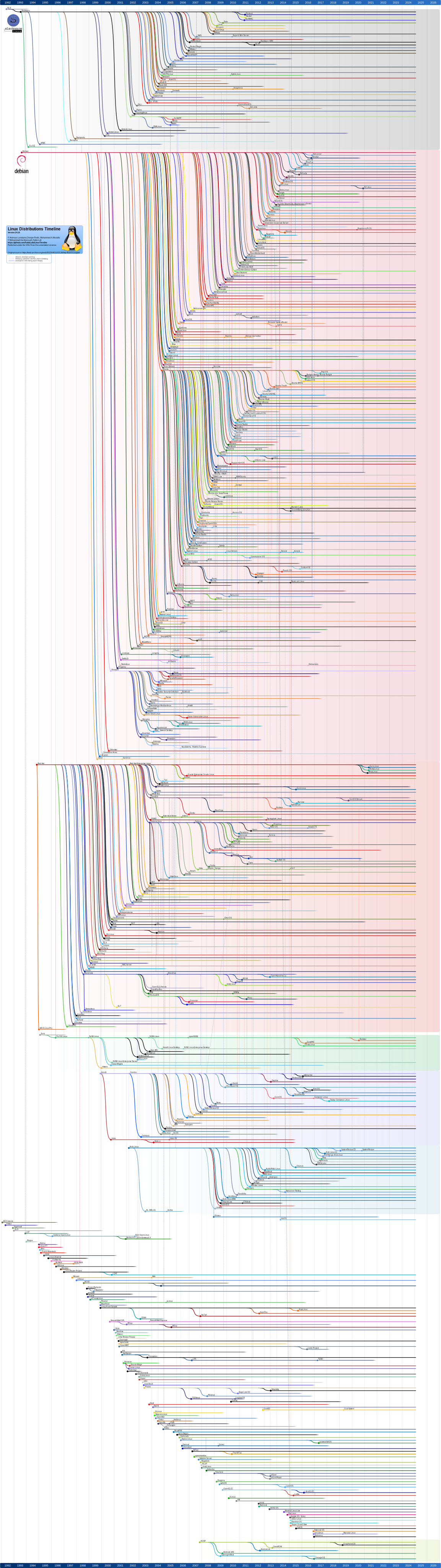
On Debian, Ubuntu and Raspberry Pi OS you install software with apt, which uses the low-level dpkg and packages ending in .deb. On Red Hat Enterprise Linux, Fedora and AlmaLinux you use dnf, which uses rpm and packages ending in .rpm. A third group, such as Arch Linux with pacman and Alpine with apk, is independent. The commands you learn for using Linux itself are the same everywhere; only installation and upgrade syntax change.







POSIX: one agreed standard
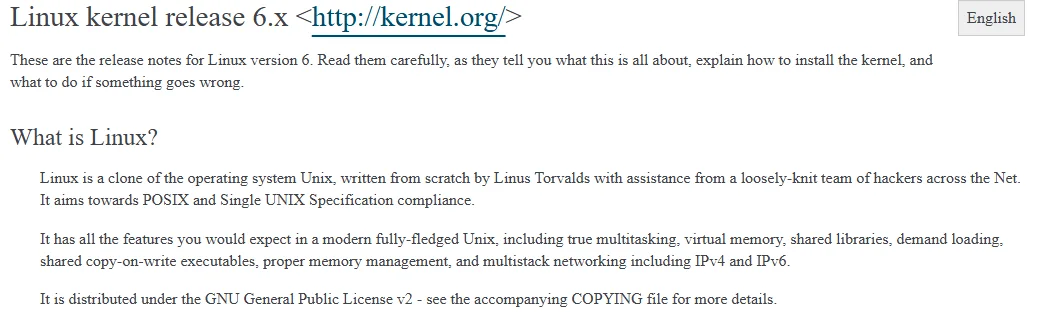
When every system has its own interface, a program written for one may not work on another. IEEE Std 1003.1-1988 defined a common one: POSIX, the Portable Operating System Interface. Richard Stallman suggested the name (his account). Linux, which came later, aims towards POSIX compliance.
Which one should you install?
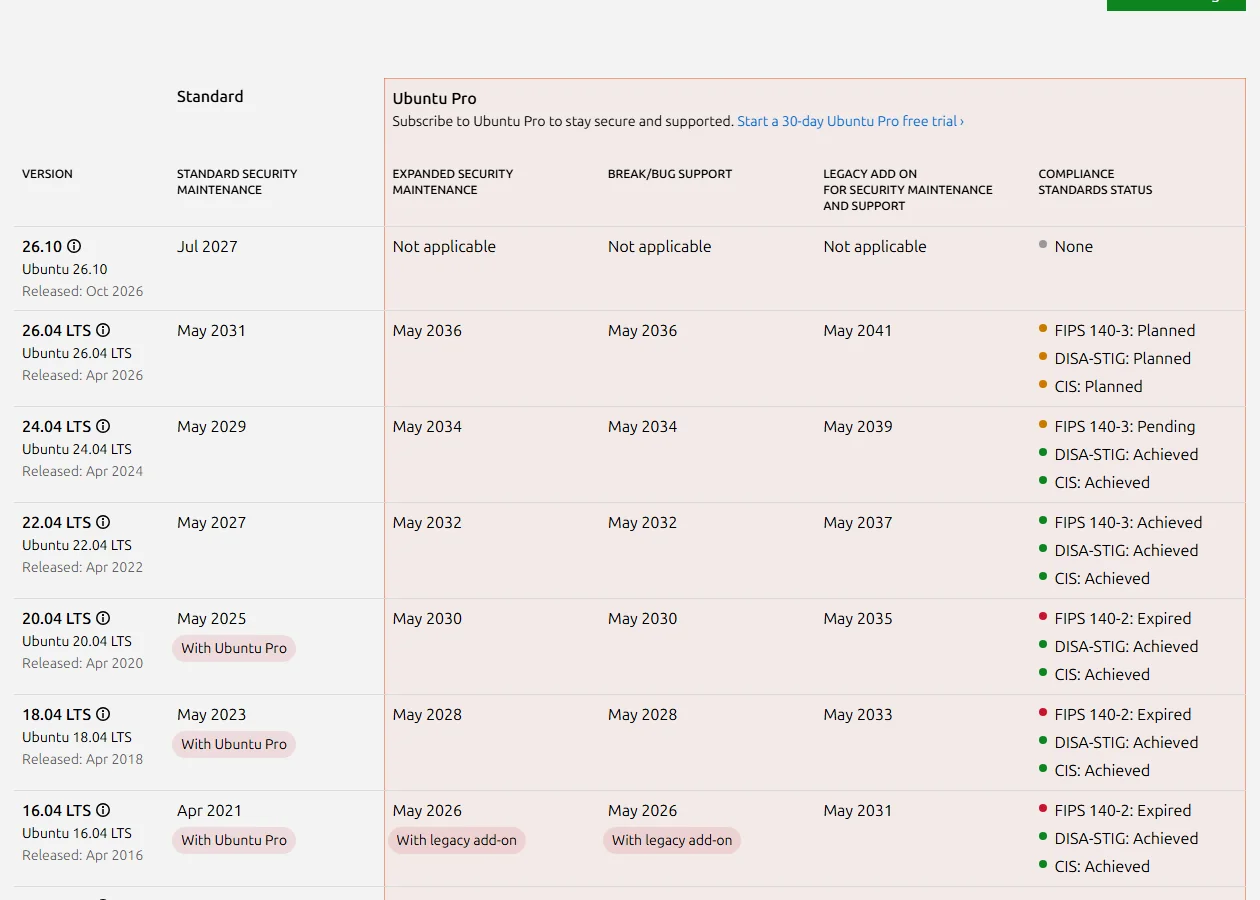
To start, use Ubuntu. A new version comes every six months, and every two years one of them is an LTS (long-term support) release with five years of standard security maintenance.
Open-source licensing is not a detail for an engineer; it is a business decision. The Linux kernel is licensed under the GNU General Public License version 2, specifically GPL-2.0 only, without the "or any later version" option. The GPL is a copyleft licence: you may use, study and modify the code, but if you distribute the modified program, you must also make the corresponding source code available under the same terms.
If your company ships a device that runs a GPLv2 kernel, it must offer the source of the kernel (and any GPL-licensed code linked into it) to anyone who receives the device. This is why vendors publish source-code offers on their support pages. Non-copyleft licences, such as the MIT or Apache licences, impose no such requirement. This paragraph is engineering guidance, not legal advice; for a real product, a lawyer reviews the final bill of materials.
Underlying this whole ecosystem is the Unix philosophy: write small programs that do one thing well, and combine them. A modern command line is dozens of tiny tools wired together, which is exactly what makes the shell powerful once you know the basics.
The Unix philosophy: nine tenets
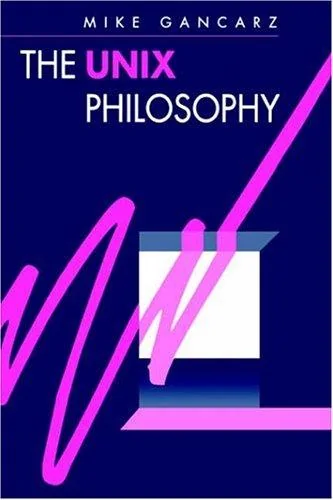
Mike Gancarz collected them in The UNIX Philosophy. They explain why Linux tools look the way they do.
- Small is beautiful.Write the smallest program that does the job.
- Make each program do one thing well.cp copies, ls lists. Many small commands instead of one that does everything.
- Build a prototype as soon as possible.Get a first version out early, then improve it. Linux 0.01 came in 1991, 1.0 in 1994.
- Choose portability over efficiency.Prefer code that runs on many systems over code tuned for one.
- Store numerical data in flat ASCII files.Plain text can be read by many programs: cat, grep, less.
- Use software leverage to your advantage.Build on tools that already exist before writing your own.
- Use shell scripts to increase leverage and portability.Put repeated commands in one script and run it anywhere there is a shell.
- Avoid captive user interfaces.A program that waits for clicks cannot be automated. Give it what it needs, then let it run.
- Make every program a filter.Read text in, write text out, so one program feeds the next.
Tenets as listed in the Linux Journal review, 1 September 1995.
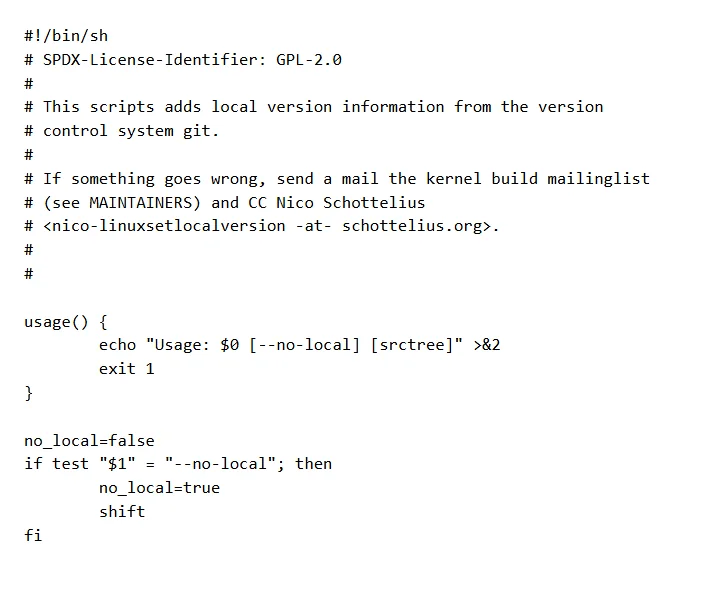
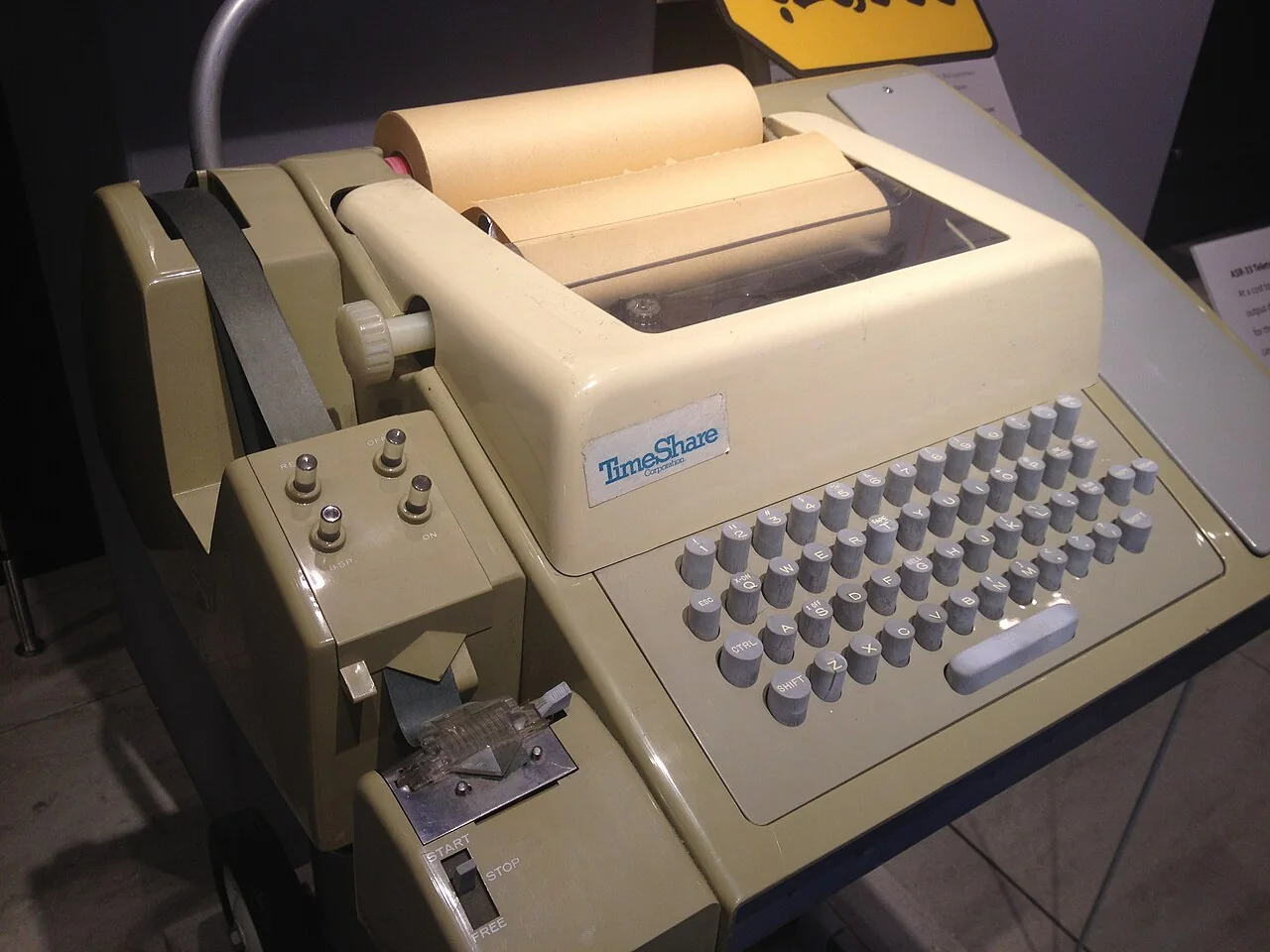
Try combining three tools below:
Key takeaways
- Linux is a kernel; a distribution bundles it with user-space programs, a package manager and a licence policy.
- A derivative is built from another distribution, as Ubuntu is built from Debian.
- POSIX is one agreed interface, so programs can move between systems.
- Small programs that read and write text can be combined: that is the Unix philosophy.
Reflect
- Explain to a colleague, in two sentences: explain what a distribution contains and how a derivative differs from it.
- Which objective are you least sure about? Re-read that section.
References and further reading
- VideoLinux distributions and the Unix philosophy (Arabic)
- SourceMCC Interim Linux README
- SourceSlackware 1.00 announcement
- SourceThe Debian Manifesto
- ReferenceList of Linux distributions
- ArticleThe POSIX name, Richard Stallman
- Official docsLinux kernel and POSIX
- Official docsUbuntu release cycle
- ArticleThe nine tenets, Linux Journal review
- Official docsDebian - the universal operating system
Official documentation first. Links checked when the lesson was published.